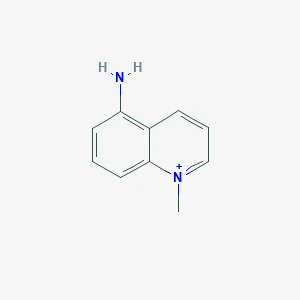
Classify the substance correctly
5-Amino-1MQ is associated with a small-molecule methylquinolinium reference, rather than a peptide chain. Its appearance in a peptide catalogue is a merchandising decision. Keeping the category accurate helps readers avoid importing expectations from peptide medicines or assuming that substances sold together share a mechanism or regulatory context.
Check the exact chemical form
Names can refer to a parent ion or a particular salt. A reference structure is useful, but the supplied material still needs an exact identity. When reading a laboratory report, look for the chemical name, sample and method. An abbreviated product label may not resolve those details.
Preclinical outcomes have a defined setting
A study in animals or a cellular model should be described as such. It cannot establish an expected weight or metabolic outcome in people simply because a pathway is biologically interesting. Keep the experimental setting and actual endpoints attached to a headline rather than translating them into a consumer promise.
A better comparison question
Ask whether the claim concerns chemical identity, enzyme-related activity, an animal outcome or a demonstrated clinical result. Those are separate evidence steps. The profile provides a source trail and a correctly labelled structure, not a personal metabolic regimen, effectiveness score or unverified sale price.
Explore the references
5-Amino-1MQ — identity, evidence and product context ↗Sources & references
A chemical record identifies a reference, a study reports a defined investigation, and a product label concerns a specific medicine. A supplier catalogue is not clinical evidence.
General education, not personal medical advice. Ask an appropriately qualified professional about a medicine, symptom or treatment question.