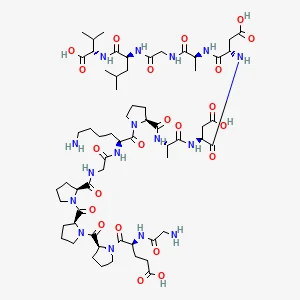
What the name identifies
BPC-157 has a defined reference record in PubChem. The presence of that record helps identify a substance; it does not establish a finished medicine, verify a seller or prove a treatment benefit. Our profile uses the corresponding structure rather than an invented vial label. That distinction keeps a chemical reference separate from a commercial claim.
Look for the studied setting
A statement about a laboratory model should identify the model. A statement about people should identify an actual human study and its design. Words such as repair and recovery can conceal a jump between those settings. Ask what was measured, how many subjects were studied, and whether the claimed outcome was directly tested.
Purity is not a clinical conclusion
A supplier may advertise an analytical percentage, but that number alone cannot show safety, sterility, clinical effectiveness or suitability for a person. Even a genuine report has a sample identity, method and date that need checking. Evidence about a different batch or a different preparation cannot authenticate the material a reader has been offered.
A more useful reading checklist
Keep the exact substance, preparation, route and evidence type together. Follow citations to the original work and distinguish observations from hypotheses. This article gives no injury protocol or personal amount. For a health concern, a qualified professional can address established options; a research listing and a concentration calculation cannot supply the missing assessment.
Explore the references
BPC-157 — identity, evidence and product context ↗Sources & references
A chemical record identifies a reference, a study reports a defined investigation, and a product label concerns a specific medicine. A supplier catalogue is not clinical evidence.
General education, not personal medical advice. Ask an appropriately qualified professional about a medicine, symptom or treatment question.