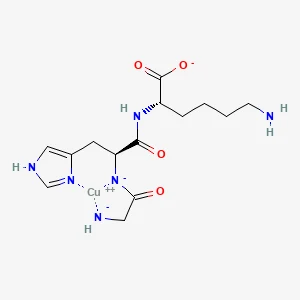
Identify the copper complex
GHK-Cu refers to a copper-associated peptide complex. The copper complex and the uncomplexed GHK peptide should not be treated as identical database entries. Our reference links to the specific PubChem record used for the displayed structure. Ingredient lists and study descriptions should be checked for the same level of specificity.
Formulation matters for topical products
A cosmetic formula includes more than its headline ingredient. Concentration, vehicle, other ingredients and the final product design can influence what can reasonably be inferred from ingredient research. An attractive ingredient story is not the same thing as a controlled study of the finished serum. Read the complete product label and the actual supporting work.
A route change changes the evidence question
A claim concerning a topical preparation does not establish an injectable use. The relevant exposure, quality requirements and safety questions differ. Avoid moving a cosmetic study into a clinical promise for another route. A supplier describing a blue powder or solution has not supplied evidence for personal treatment merely by identifying a copper peptide.
Useful comparison criteria
For an ordinary cosmetic product, compare the actual formulation, complete ingredients, labelled size and current price in the same currency. Keep those practical details separate from clinical claims. PeptideC only permits verified consumer-catalog categories, and this molecule reference is not an injectable product offer or an individual recommendation.
Explore the references
GHK-Cu — identity, evidence and product context ↗Sources & references
A chemical record identifies a reference, a study reports a defined investigation, and a product label concerns a specific medicine. A supplier catalogue is not clinical evidence.
General education, not personal medical advice. Ask an appropriately qualified professional about a medicine, symptom or treatment question.