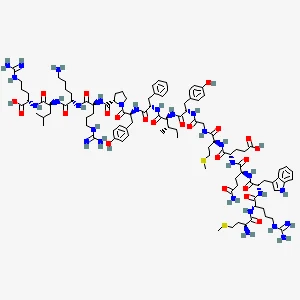
A reference sequence, not a result
MOTS-C is a mitochondrial-derived peptide represented in the linked chemical reference. The sequence provides an identity for research discussion. It does not establish that material offered by a supplier matches the reference, and it does not predict a person’s energy, fitness or metabolic outcome. Those are different kinds of claim.
Read the model before the headline
Mitochondrial research spans molecular experiments, animal work and human observations. Each setting can answer particular questions. A change in a laboratory marker should not be presented as a demonstrated improvement in everyday performance. Check whether a study administered a substance or merely measured naturally occurring levels; the distinction changes the interpretation.
Association and intervention differ
Finding a relationship between a biological measure and a condition does not show that adding a material will change that condition. An intervention study needs its own methods, controls and endpoints. This is especially important when a marketing narrative uses a naturally occurring peptide to imply that a commercial preparation will reproduce the body’s signalling context.
What the profile offers
The library provides a name, reference structure and a route back to the underlying record. It avoids a fabricated performance score, release announcement or price. Follow a clinical claim to its original study and keep the studied preparation visible. Questions about personal symptoms, medicine or exercise recovery belong with an appropriately qualified professional.
Explore the references
MOTS-C — identity, evidence and product context ↗Sources & references
A chemical record identifies a reference, a study reports a defined investigation, and a product label concerns a specific medicine. A supplier catalogue is not clinical evidence.
General education, not personal medical advice. Ask an appropriately qualified professional about a medicine, symptom or treatment question.