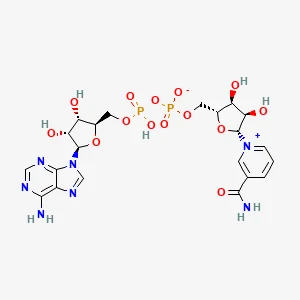
A biochemical cofactor, a different category
NAD+ is a nicotinamide adenine dinucleotide cofactor, not a chain of amino acids classified as a peptide. It can appear beside peptides in supplier catalogues, but a marketing category does not change chemical identity. The linked reference structure helps make that distinction concrete.
A biological role does not prove a product benefit
Describing NAD+ in cellular processes is not the same as demonstrating a benefit from a commercial preparation. A source may discuss natural cellular levels, a related precursor or a particular intervention. Keep those subjects separate rather than assuming that every mention supports any NAD-labelled product.
Formulation claims need direct support
A spray, infusion-related claim or other presentation needs evidence relevant to that formulation and intended context. The ingredient name alone does not establish exposure, quality or clinical value. A manufacturer’s delivery description should not silently become an outcome claim.
Why accurate categories help readers
Correct classification improves searches and prevents false comparisons with peptide medicines. It also helps identify which source is appropriate: a chemical reference for identity, a study for an outcome, and a product record for a specific authorised presentation. The profile offers context without a personal wellness protocol, claimed age reversal or invented purchasing offer.
Explore the references
NAD+ — identity, evidence and product context ↗Sources & references
A chemical record identifies a reference, a study reports a defined investigation, and a product label concerns a specific medicine. A supplier catalogue is not clinical evidence.
General education, not personal medical advice. Ask an appropriately qualified professional about a medicine, symptom or treatment question.