Names can hide a structural difference
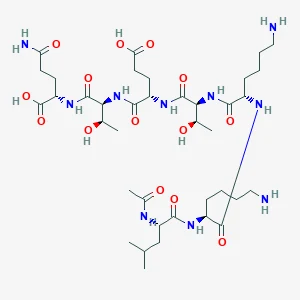
TB-500 is used in supplier and research contexts for material associated with a thymosin beta-4 fragment. Full-length thymosin beta-4 and a short fragment are not automatically the same substance. An article that borrows evidence across those names without checking the studied sequence may be comparing different materials.
Use an exact reference
The linked chemical record and its reference structure help make identity questions visible. Check the sequence, modifications and form named by a paper or laboratory report. A familiar abbreviation on a label is not enough to establish that the sample matches the reference. Ambiguous naming should lead to a request for clarification, not a stronger claim.
A biological hypothesis is not a protocol
Research may explore biological pathways or model-specific responses. That does not establish a personal injury-treatment schedule or a benefit for every tissue. Read the actual endpoints and setting. A report on the parent molecule cannot silently become evidence for a marketed fragment, blend or alternative delivery route.
How the library handles the distinction
The profile identifies the naming issue and links to the source record. It is not a sale listing and carries no invented potency or recovery score. Compare evidence using the exact studied material; ask a qualified professional about personal health decisions. The calculator does not resolve identity uncertainty or turn a fragment into an authorised medicine.
Explore the references
TB-500 — identity, evidence and product context ↗Sources & references
A chemical record identifies a reference, a study reports a defined investigation, and a product label concerns a specific medicine. A supplier catalogue is not clinical evidence.
General education, not personal medical advice. Ask an appropriately qualified professional about a medicine, symptom or treatment question.