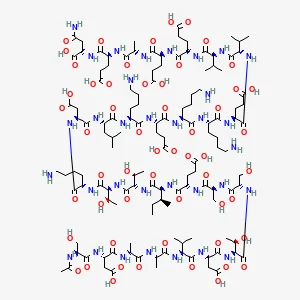
Keep alpha and beta visible
Thymosin alpha-1 and thymosin beta-4 are distinct peptide references. TB-500 introduces a further fragment-naming question. A headline shortened to thymosin can therefore lose the identity needed to interpret a study. The library separates the names rather than treating them as interchangeable immune or recovery products.
Evidence belongs to the named intervention
Check which peptide, fragment or formulation a paper used. A statement about one substance cannot automatically support another because part of the name is shared. Study population, comparator and outcome remain important even after the molecular identity has been established.
Regulatory context is product-specific
An active ingredient may have differing research or medicine contexts across countries and presentations. Identify the actual product and current local information before making an availability or approval claim. A supplier page or historical source does not establish universal authorisation for every formulation.
A practical reference habit
Write the full name, including alpha or beta and any fragment designation, when saving a source. Verify aliases against the original record instead of relying on abbreviated sales copy. This article gives no immune-support regimen or personal recommendation. A qualified professional should address medical questions that a family name or concentration calculation cannot resolve.
Explore the references
TB-500 — identity, evidence and product context ↗Thymosin alpha-1 — identity, evidence and product context ↗Sources & references
- Thymosin alpha-1 — PubChem chemical reference, CID 16130571 ↗
- TB-500 — PubChem chemical reference, CID 62707662 ↗
A chemical record identifies a reference, a study reports a defined investigation, and a product label concerns a specific medicine. A supplier catalogue is not clinical evidence.
General education, not personal medical advice. Ask an appropriately qualified professional about a medicine, symptom or treatment question.