Follow the ingredient and the brand
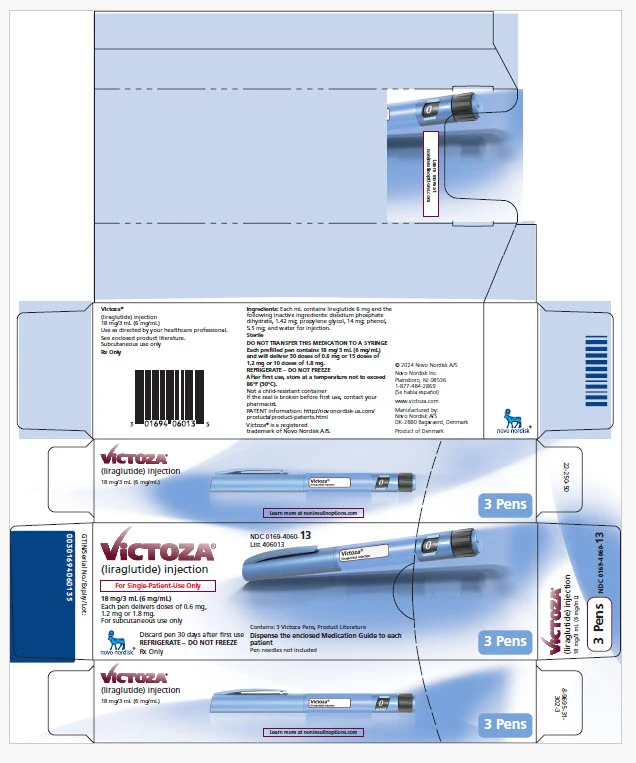
Victoza and Saxenda both contain liraglutide, yet their product labels describe different clinical contexts. A useful comparison follows both the molecule and the brand rather than treating one as a nickname for the other. Our two profiles link to their respective records and show artwork associated with the named product.
An ingredient comparison has limits
Knowing that products share an ingredient does not establish that their indications, devices or instructions are interchangeable. The exact authorised presentation matters. A clinician or pharmacist should address a proposed change in treatment or supply. An educational article cannot supply the missing clinical assessment by comparing brand names alone.
Availability requires a dated source
Medicine portfolios and distribution can change over time. An older package image or medicine database record does not guarantee that a particular pack is currently supplied in every country. When researching access, check a current local source and record the date. A historical announcement should not silently become a statement of present stock.
A useful cost enquiry
Ask for the exact product and presentation, the total quantity supplied, the currency, and any dispensing or service fees. Do not use a generic liraglutide listing as the price of a branded prescription pack. These reference pages contain no invented offers. They help identify the questions that make a real quotation meaningful.
Explore the references
Liraglutide — identity, evidence and product context ↗Victoza — identity, evidence and product context ↗Saxenda — identity, evidence and product context ↗Sources & references
- Victoza — official product label, DailyMed / NLM ↗
- Saxenda — official product label, DailyMed / NLM ↗
- Liraglutide — PubChem chemical reference, CID 16134956 ↗
A chemical record identifies a reference, a study reports a defined investigation, and a product label concerns a specific medicine. A supplier catalogue is not clinical evidence.
General education, not personal medical advice. Ask an appropriately qualified professional about a medicine, symptom or treatment question.